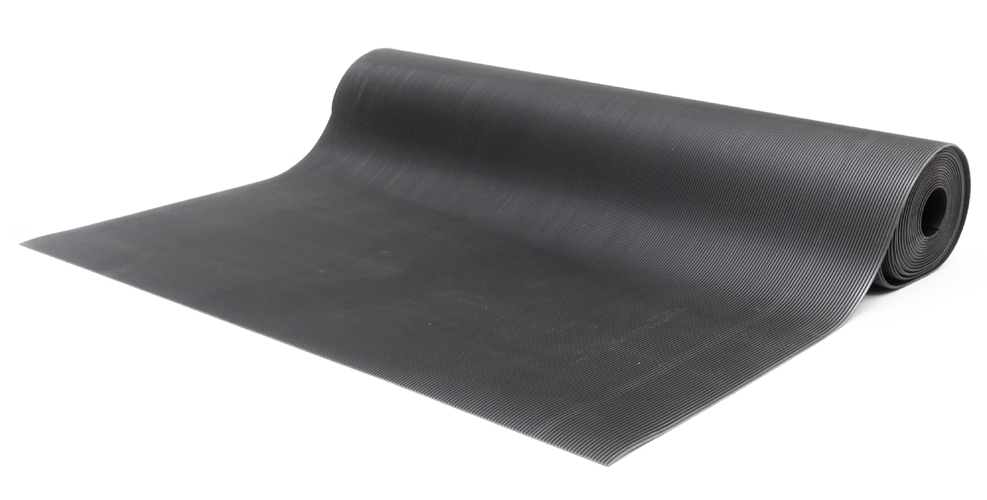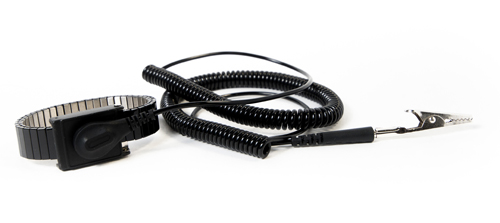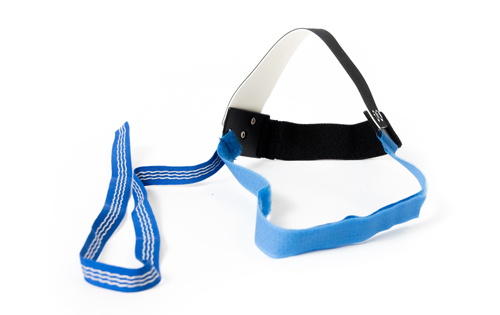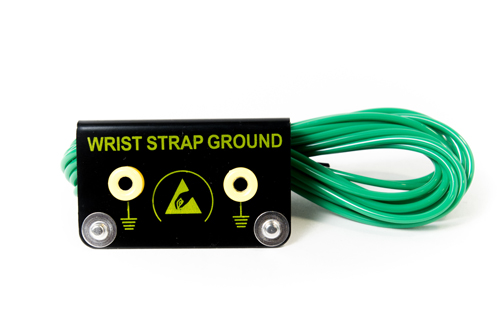
ESD Mats are primarily used to prevent electronic circuit boards and other electronic products from damage by an electrostatic charge. Static control is critical during electronic assembly and manufacturing. We specialize in ESD Worksurface Mats, ESD Table Top Mats, ESD Floor Mats, ESD Anti Fatigue Floor Mats, ESD Floor Runners, ESD Foam Mats and the accessories you would need to set up your assembly line. We can custom cut and make special kits for your particular requirements. Most of our ESD Mat Kits include an ESD Mat, a wrist strap and, grounding cord.
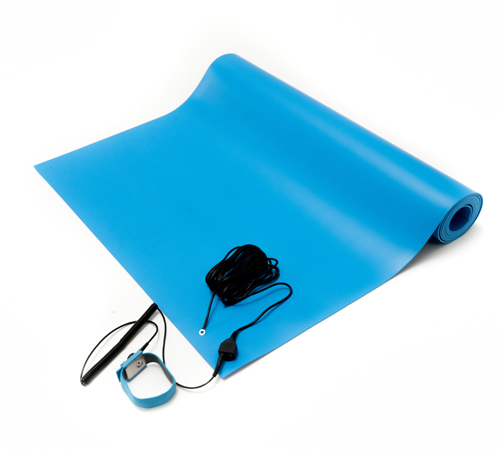
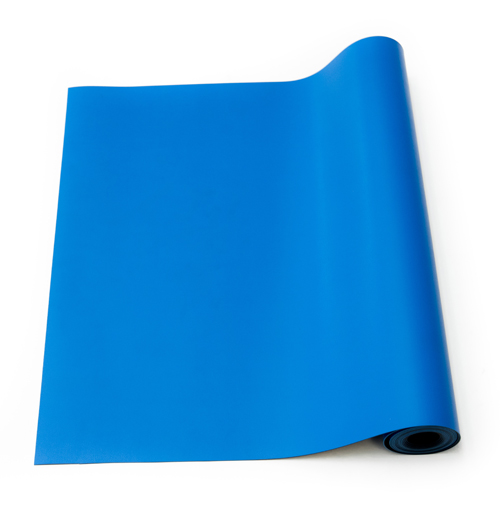
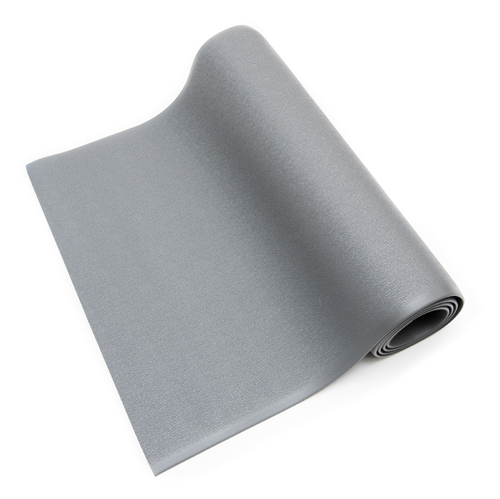
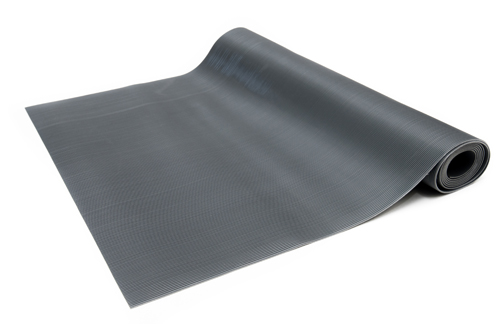
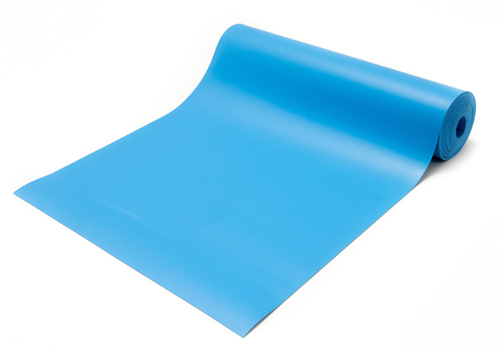
ESD Vinyl Mats – Made in USA: They are made of solid vinyl with a buried conductive fleece between two layers. Considered to be our highest quality mats and the best at maintaining an ESD Safe environment. Their surface resistivity is 3.0×10⁷ – 9.5×10⁸.

ESD High Temperature Mat Kits: They are made from two layer ESD Rubber. Point-to-Point resistance is 108 – 109 ohms and Point-to-Ground resistance is 105 – 106 ohms. Suitable for soldering applications. Available in blue, gray, and green colors.

ESD Chair Mat Kits – Made in USA: They are made of rigid solid vinyl with a buried conductive layer for efficient dissipation of static charge. Surface resistivity of these chair mats is 108 – 109. They are available in gray color with an embossed pebble pattern.
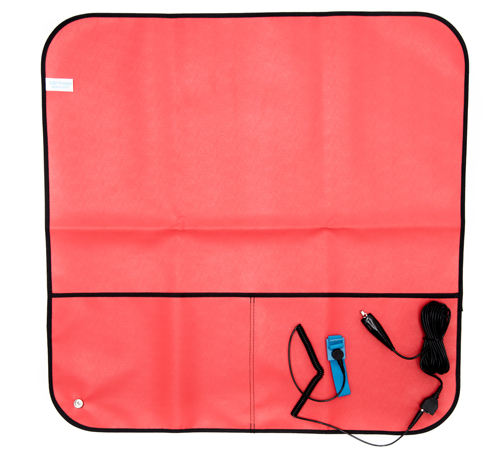
ESD Field Service Kits: They provide a portable ESD safe workstation for personnel working with electronics in the field. Their surface resistivity is 106 – 109. Includes a 24″ x 24″ mat with two 8″ x 12″ pockets for tools, a wrist strap, and grounding cord.Available in blue or red color.